Tampa Bay Home Building Guide

Meeting Florida
Building Codes
in Tampa Bay.

Building or renovating a home in Tampa Bay means planning for more than aesthetics. Florida's building requirements are designed to help protect homes from hurricanes, flooding, and other weather-related risks.

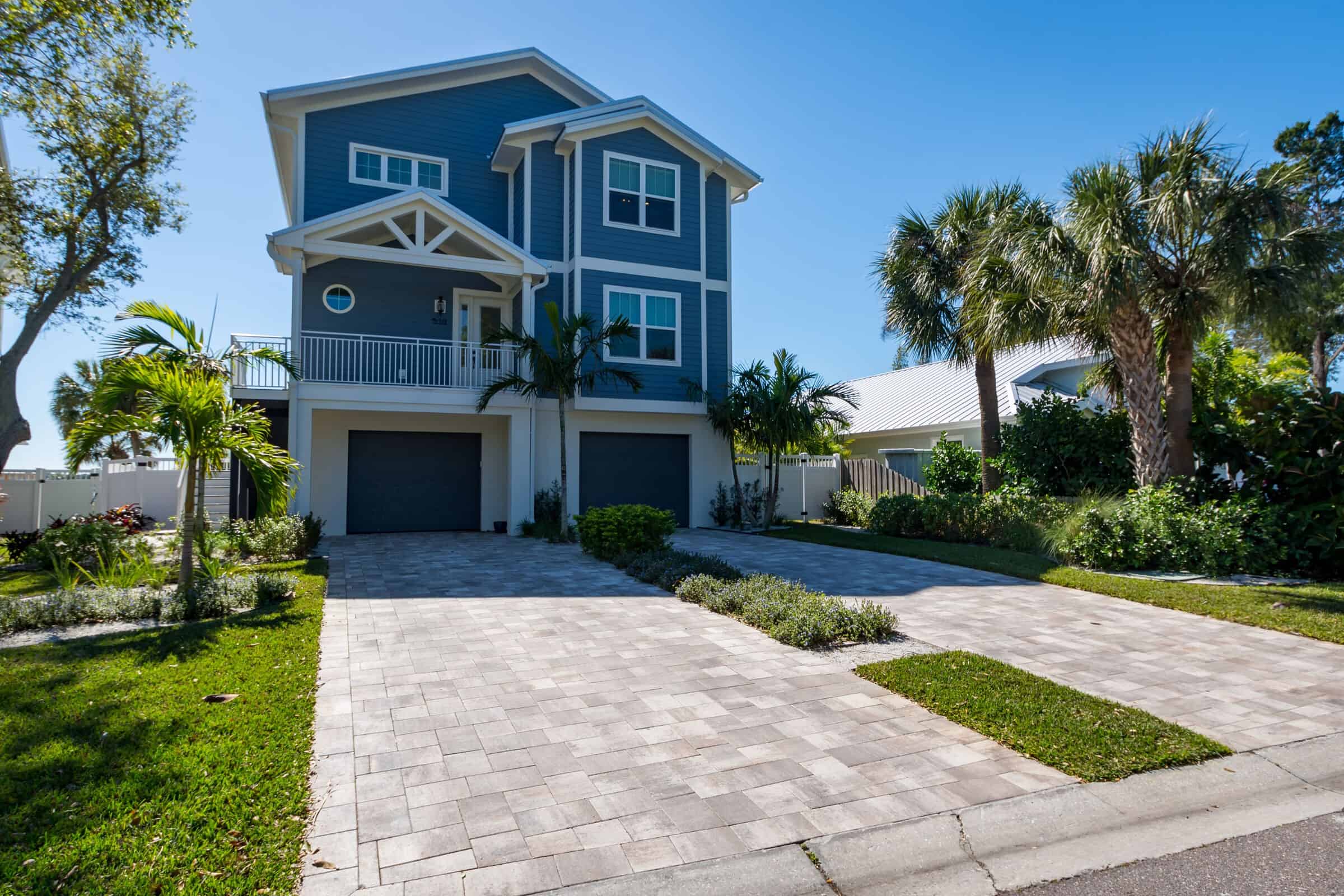
Tampa Bay custom home exterior

Florida Construction

Local knowledge matters.

What homeowners should know

Building in Florida requires thoughtful planning.

Florida building codes are not simply paperwork or red tape. They establish standards intended to create stronger, safer structures that can withstand conditions common throughout the state.

In Tampa Bay, that means paying particular attention to wind, storm debris, flooding, permitting, inspections, and the specific requirements that apply to your property.

Wind Protection

Design and materials must account for hurricane-force winds and applicable local requirements.

Storm Resistance

Impact-rated systems can help protect vulnerable openings during severe weather.

Flood Planning

Flood zones can introduce additional elevation, drainage, and material requirements.

Permits & Inspections

Proper approvals and inspections are essential parts of the construction process.

Tampa Bay Construction

The details matter.

140–160+

mph wind-load requirements can apply depending on location and applicable code requirements.

6 Key Areas

to understand before starting a construction or remodeling project.

The Tampa Bay Guide

Six areas to understand before you build.

The exact requirements for your project depend on its location, property conditions, and scope. These six areas provide a practical starting point.

01

Follow the Florida Building Code

Florida has one of the strictest statewide building codes in the United States. The Florida Building Code is updated periodically and establishes standards for residential and commercial construction throughout the state.

Wind-load requirements vary depending on your property's exact location.
Impact-resistant windows and doors may be required in applicable areas.
Roofs and walls require appropriate structural connections and anchoring.
Coastal and flood-prone properties can have additional requirements.
02

Know Your Wind Zone & Exposure Category

Tampa Bay homes need to be designed with hurricane-force winds in mind. Your property's location and surrounding terrain can affect the wind exposure requirements that apply to your project.

Roof fastening and structural connections
Window and opening protection
Wall reinforcement
Overall resistance to hurricane-force winds
03

Use Impact-Rated Materials

Properties located within applicable wind-borne debris regions may require systems designed to protect openings from flying debris during severe storms.

Impact-resistant glass
Missile-impact-rated shutters
Impact-rated garage doors
Protected skylights and exterior openings
04

Comply With Floodplain Requirements

Many properties throughout Tampa Bay are located within FEMA-designated flood zones. Construction in these areas can require additional measures to reduce flood damage and protect the structure.

Elevating the home to or above the applicable Base Flood Elevation
Using flood-resistant materials where required
Proper drainage systems
Backflow prevention systems
Property surveys and elevation documentation when required
05

Secure Permits & Schedule Inspections

Building or remodeling a home in Tampa Bay requires more than a good construction plan. The appropriate permits and inspections are an essential part of the process.

Submit plans to the appropriate city or county building department.
Obtain the required building permits before construction.
Complete required inspections throughout the project.
Inspections may include foundation, framing, electrical, plumbing, and roofing.
06

Work With Licensed Professionals

A qualified builder, architect, or structural engineer can help make sure your project meets Florida requirements as well as applicable local amendments.

Verify that contractors and professionals are properly licensed in Florida.
Choose professionals familiar with Tampa Bay construction requirements.
Understand local amendments to the Florida Building Code.
Check requirements that may apply in Hillsborough, Pinellas, and Pasco County.
Before Construction Begins

A simple checklist for your Tampa Bay project.

Every property is different. Before construction begins, make sure the project team has identified the requirements that apply to your specific location and scope of work.

1Determine your property's flood zone
2Review applicable wind-load requirements
3Confirm required impact protection
4Review local building requirements
5Obtain the appropriate permits
6Schedule required inspections
7Work with licensed professionals
Final Thoughts

Build for Florida. Build for the future.

Meeting Florida building codes in Tampa Bay is more than a legal requirement. It is an important part of protecting your home, your family, and your investment.

Building here takes careful planning, but the result is a stronger, safer home designed for the realities of Florida living.

Planning a project?

Building or renovating in Tampa Bay?

Start with a team that understands the local construction environment and the requirements that come with building in Florida.

Talk With DUCS Builder